Call for Student Editors; Submit by 25th June 2022
With a view to expand its team, CCRD is inviting applications from students who are interested in interning as editors under the organization.
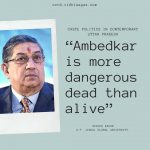
Disqualification of MLA’s in Karnataka
Many questions have been raised regarding the partiality of the speaker on matters relating to disqualifications arising from defection and other causes, Therefore, it has been suggested in lieu of the Karnataka crisis that an authority like the Election Commission should decide on matters like disqualification to ensure impartiality.
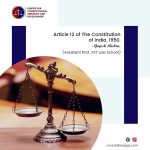
Article 12 of The Constitution of India, 1950
Article 12 of Indian Constitution States:
In this Part, unless the context otherwise requires, “the State’’ includes the Government and Parliament of India and the...
Results @ “Rack Your Brain” – 2nd National Quiz Competition by CCRD
We are glad to receive hundreds of Registration for Online National Quiz on Constitutional Law organised by Centre For Constitutional Research & Development. The...
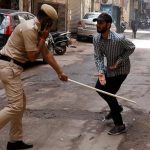
Fight Against Corona or Dignity
While the country sees its first and sudden pandemic-prevention lockdown and restrictions as like a curfew after independence, this lockdown comes with unequal powers...
Instrumentalities of State for the Purpose of Article 12 of the Constitution of India
Introduction
“It is the business of the State to maintain the conditions without which a free exercise of the human faculties is impossible.”
- T H...
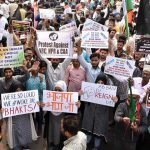
National Register of Citizens And The Citizenship (Amendment) Act, 2019
History of NRC in Assam
The “National Register of Citizens” abbreviated as NRC is a record of the people which is maintained by the Central...

Right to Access Internet Services: The Present Scenario
As the right to access internet is considered by a competent court to be a fundamental right under Article 21, internet services should not be banned unless there exists a genuine threat to security at the gravest degree, such as a war or a cause for a national emergency.
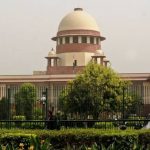
Who will Judge the Judges?
The judges are the ombudsman of the people, there should be a check on their powers to make sure that they don’t enjoy Carte Blanche's powers.
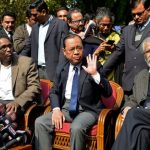
The CJI as Master of Roster: Unraveling the Controversial Curtains
The unprecedented press conference on January 12, 2018, held by the four of the Supreme Court’s senior-most judges: Justice Chelameswar, Ranjan Gogoi, M.B. Lokur,...